Uncovering How Data Flows Between Player Oversight Tools and Multi-Channel Payout Networks Shape Growth in Bingo Platform Ecosystems
Written by Ben Hartmann · Sep 13, 2026

Uncovering How Data Flows Between Player Oversight Tools and Multi-Channel Payout Networks Shape Growth in Bingo Platform Ecosystems
Operators in bingo platform ecosystems rely on integrated data streams that move from player oversight tools directly into multi-channel payout networks, and these connections determine how quickly platforms can scale operations while maintaining compliance standards. Player oversight tools capture real-time metrics on account activity, session duration, and risk indicators, then route selected data points to payout processors that handle bank transfers, digital wallets, and prepaid card systems. When these flows operate without interruption, platforms record measurable increases in user retention rates and transaction volumes, according to aggregated industry metrics released through regional gaming associations.
Core Components of Oversight and Payout Integration
Player oversight systems collect structured data on deposit patterns, withdrawal requests, and behavioral flags, after which the information travels through secure APIs into payout networks that verify identity details and execute transfers across multiple channels simultaneously. Multi-channel payout setups allow users to select preferred methods without leaving the platform environment, and the underlying data exchange ensures each selection triggers automated compliance checks before funds move. Researchers tracking platform performance note that tighter synchronization between these layers reduces processing delays, which in turn supports higher daily active user counts across both desktop and mobile bingo formats.
Take one documented rollout where a mid-sized operator linked its monitoring dashboard to an expanded payout gateway in early 2026, resulting in a documented rise in completed withdrawals within the same quarter. The data pathway transmitted oversight flags on high-volume accounts straight to the payout layer, enabling faster approval workflows while preserving audit trails required by licensing bodies. Similar patterns appear in reports from operators who adopted modular API connectors, showing consistent gains in transaction throughput once oversight outputs fed directly into channel-specific routing logic.
Regional Regulatory Influences on Data Architecture
Regulatory frameworks in different jurisdictions shape how operators design these data pathways, with bodies such as the Malta Gaming Authority requiring detailed logging of every data handoff between oversight modules and payout processors. In Australia, the Interactive Gambling Act amendments have prompted platforms to embed real-time reporting feeds that push selected oversight data into payout verification systems before any funds release. Canadian provincial regulators, including those in Ontario, have introduced guidelines that tie payout network approvals to documented oversight data retention periods, forcing platforms to map every information exchange point during licensing renewals.
These requirements translate into technical choices where platforms build redundant data pipelines that carry oversight signals to payout endpoints without creating single points of failure. Industry groups such as the European Gaming and Betting Association have published technical briefs outlining best practices for maintaining these flows across borders, emphasizing encryption standards and timestamp synchronization that keep records aligned for cross-jurisdictional audits.
Impact on Platform Growth Metrics
Data flowing from oversight tools into payout networks correlates with accelerated user acquisition when platforms can demonstrate reliable withdrawal times to potential players. Observers tracking 2026 adoption rates note that ecosystems offering three or more payout channels backed by unified oversight feeds achieve faster month-over-month growth in registered accounts compared to single-channel setups. The mechanism works because users receive immediate confirmation that their chosen payout method has cleared all compliance steps, reducing cart abandonment at the withdrawal stage.
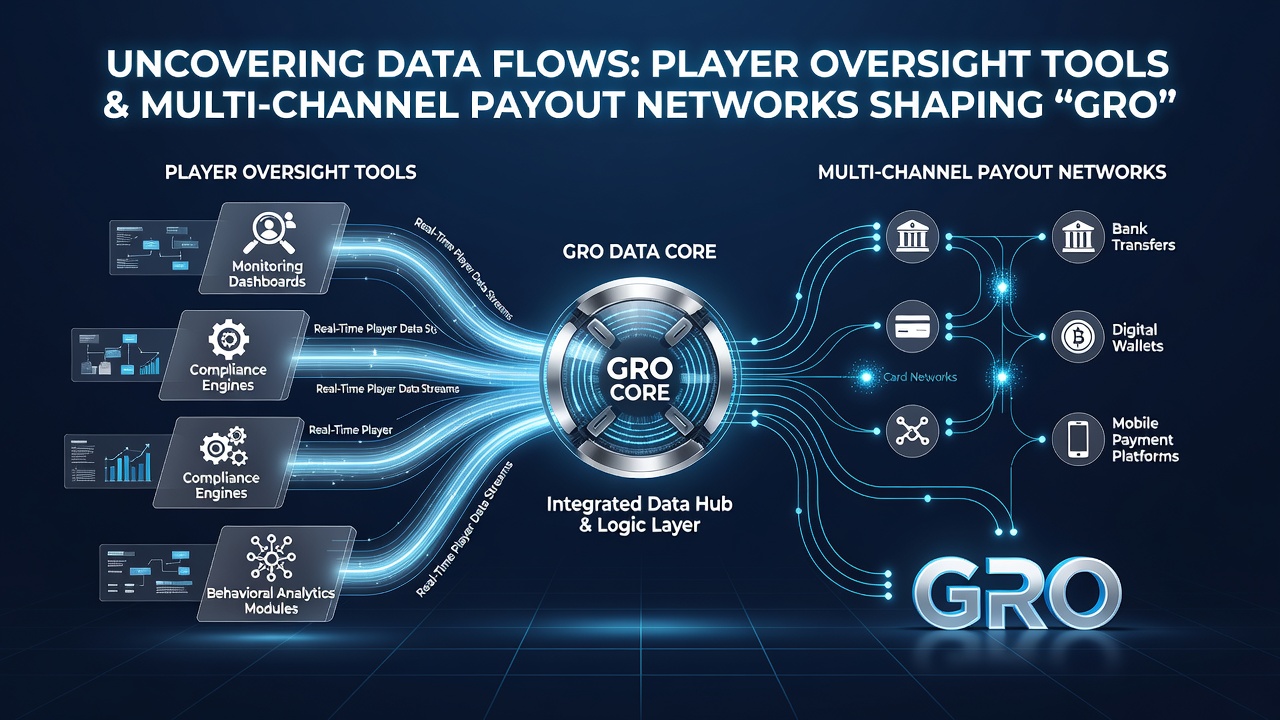
September 2026 projections from academic gaming research centers indicate that platforms optimizing these specific data connections will capture additional market share in emerging digital bingo segments, particularly where users expect instant access to winnings across local banking rails and international e-wallet options. The growth stems from reduced operational friction rather than marketing spend alone, since streamlined data movement lowers support ticket volumes related to pending transactions.
Technical Patterns Observed Across Implementations
Common architectures use event-driven messaging queues that push oversight events, such as completed identity verification or flagged session anomalies, directly into payout orchestration layers. This setup allows payout networks to pre-stage approvals for low-risk accounts while routing higher-scrutiny cases through additional manual review nodes. Operators who have published case summaries describe how these patterns cut average payout cycle times by measurable percentages once the oversight-to-payout handoff was fully automated.
One European operator documented a shift from batch processing to continuous data streaming between its monitoring suite and payout gateway, after which the platform recorded a sustained increase in repeat deposits from users who cited faster access to winnings as a deciding factor. The same implementation fed aggregated oversight statistics back into payout channel selection algorithms, allowing the system to recommend the fastest available method based on historical clearance data for each user segment.
Conclusion
Platform growth in bingo ecosystems increasingly depends on the precision and speed of data movement between player oversight tools and multi-channel payout networks. Regional regulations continue to define minimum standards for these exchanges, while technical implementations determine how efficiently platforms convert oversight insights into operational advantages. As new reporting requirements emerge in September 2026 and beyond, operators that maintain clear, auditable pathways between these systems position themselves for sustained expansion across regulated markets.