UK Bingo Association Reports on Gambling Commission’s 2026 Risk Assessment Update for Non-Remote Bingo Sector
Written by Ben Hartmann · Aug 13, 2026

UK Bingo Association Reports on Gambling Commission’s 2026 Risk Assessment Update for Non-Remote Bingo Sector
The UK Bingo Association has drawn attention to a recent publication by the Gambling Commission titled the 2026 Money Laundering and Terrorist Financing Risk Assessment for the non-remote bingo sector, an update that examines potential vulnerabilities within land-based bingo operations across Great Britain. This development arrives amid a series of regulatory activities scheduled throughout 2026, including consultations on fee structures that affect operators in the same segment. Observers note that the assessment targets risks specific to non-remote environments where physical venues handle cash transactions and customer interactions occur face-to-face. Data from teh Gambling Commission indicates that such evaluations occur periodically to align with evolving threats, and the 2026 version incorporates findings from prior reviews while addressing current patterns in the bingo industry. Those who have studied similar documents understand that they typically outline categories of exposure, mitigation strategies, and expectations for licensed operators.Context Around the 2026 Publication
The announcement from the UK Bingo Association points out that the updated assessment follows other regulatory moves in 2026, such as ongoing fee consultations that determine licensing costs for bingo halls. These consultations, which began earlier in the year, seek input on how fees should reflect the scale and nature of operations within the non-remote sector. Industry participants have received guidance on submitting responses, and the process continues alongside the release of the risk assessment document.
August 2026 marks a point where several of these initiatives overlap, creating a period of heightened administrative activity for bingo operators. Venues must review their internal policies against the new assessment criteria, which focus on areas like customer due diligence, transaction monitoring, and staff training protocols. The Gambling Commission publishes these assessments to provide a shared reference point that helps operators identify where resources should be directed to maintain compliance standards.
Key Elements Covered in the Risk Assessment
According to the details shared by the UK Bingo Association, the 2026 document concentrates on money laundering and terrorist financing risks that arise in bingo halls. It breaks down scenarios involving cash handling, prize payouts, and membership schemes that could be exploited. Operators are expected to integrate the assessment findings into their existing risk management frameworks, adjusting procedures where gaps appear.
One study of previous assessments revealed that updates often highlight shifts in criminal methodologies, such as the use of third-party funding or unusual betting patterns. The current version continues this approach by supplying sector-specific examples that non-remote bingo businesses can reference. Figures included in the report help quantify the relative likelihood of certain risks materializing, allowing venues to prioritize controls accordingly.
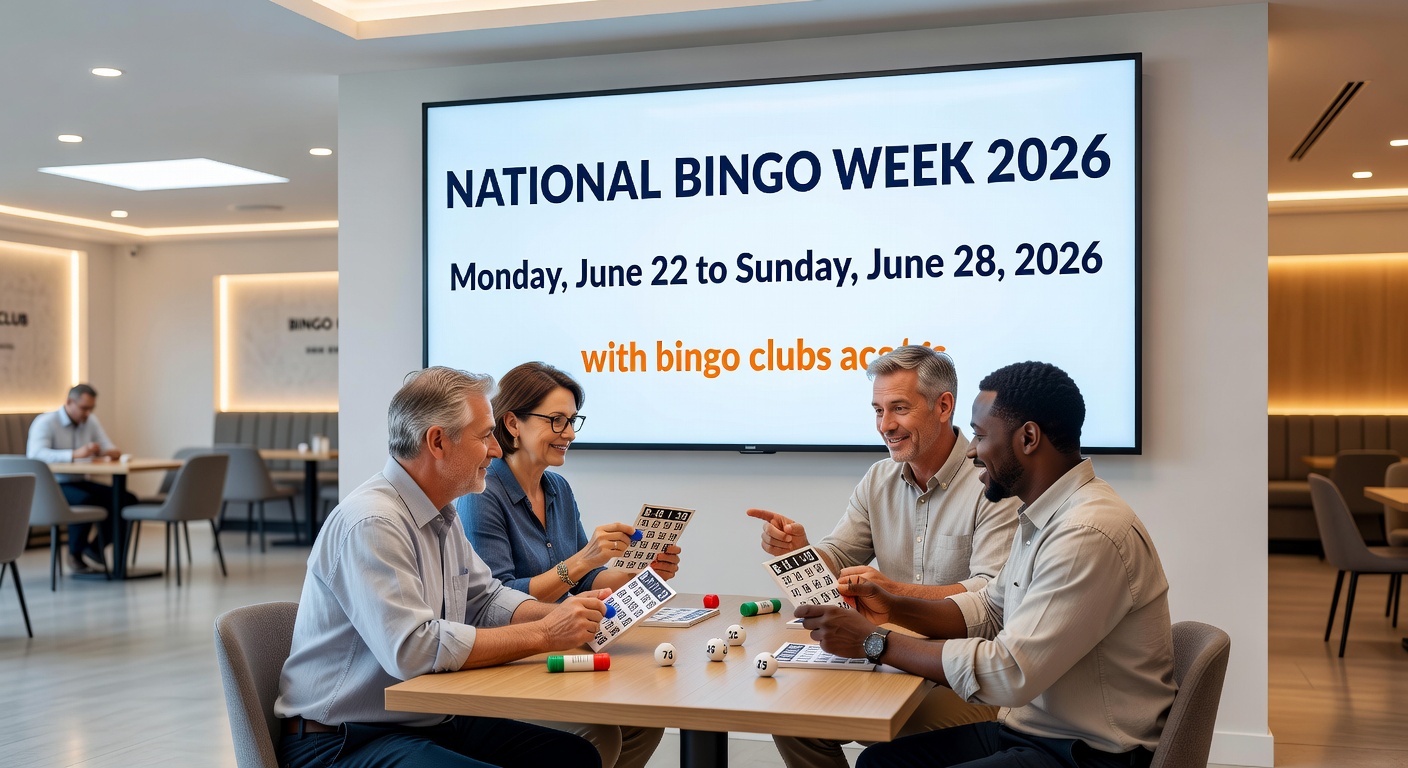
Those who manage bingo halls often discover that aligning daily operations with the assessment requires coordination between front-line staff and compliance teams. Training sessions based on the 2026 findings now form part of routine preparations, ensuring that employees recognize indicators of suspicious activity. The assessment also references links to broader anti-money laundering legislation that applies across the gambling industry.
Connection to Broader 2026 Regulatory Developments
The fee consultations mentioned alongside the risk assessment represent another strand of regulatory work that affects the same group of operators. These consultations examine how costs should be distributed among different license types, with particular attention paid to smaller and medium-sized bingo venues. Responses collected during the consultation period feed into decisions that the Gambling Commission will finalize later in 2026.
Because the risk assessment and fee discussions run in parallel, operators find themselves reviewing multiple documents within a compressed timeframe. The UK Bingo Association has positioned itself as a conduit for information, summarizing key points from the Gambling Commission publications and circulating them to members. This approach helps ensure that even venues with limited administrative resources stay informed about their obligations.
Statistics gathered in earlier years show that non-remote bingo accounts for a defined portion of the overall gambling market, and the 2026 assessment reflects that position by tailoring its analysis to the operational realities of physical sites. Updates to the document incorporate feedback from previous cycles, creating a more refined set of guidelines that operators can apply directly to their premises.
Conclusion
The publication of the 2026 Money Laundering and Terrorist Financing Risk Assessment for the non-remote bingo sector, as reported by the UK Bingo Association, forms part of a wider pattern of regulatory updates that continue through the remainder of the year. Fee consultations and related guidance documents add further layers that operators must navigate. The assessment itself supplies a structured overview of risks that venues can use to strengthen existing safeguards, and it stands as the latest reference point issued by the Gambling Commission for this specific segment of the industry.