Investigating Coordination Strategies Among Game Mechanics, Transactions, and User Services in Bingo Platforms
Written by Willa Bauer · Sep 27, 2026
Investigating Coordination Strategies Among Game Mechanics, Transactions, and User Services in Bingo Platforms
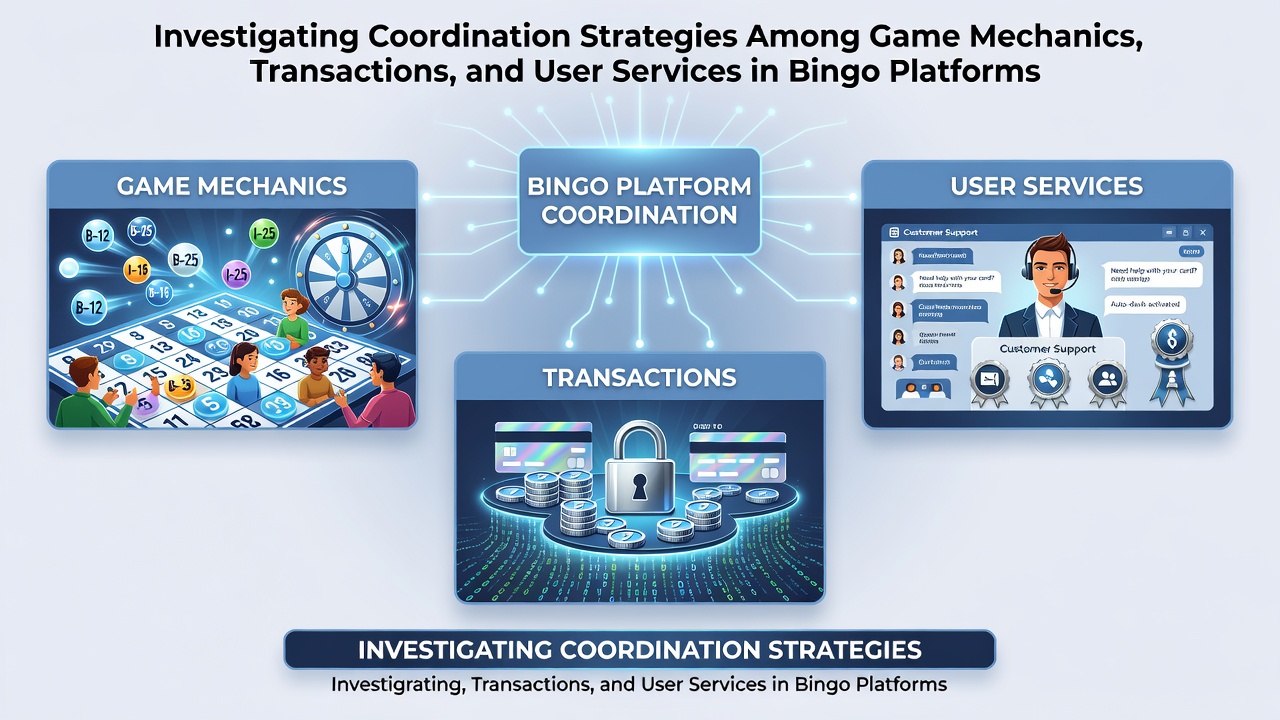
Coordination strategies in bingo platforms connect game mechanics directly to transaction processing and user service functions, allowing operators to maintain smooth operations across digital and physical environments, while data from industry reports shows that platforms using synchronized systems experience fewer disruptions during peak play periods. Researchers have noted that effective alignment begins with game mechanics that trigger automatic transaction checks, such as real-time balance verifications before each round starts, and these mechanics extend to user services by routing player queries through centralized dashboards that pull live data from both game logs and payment histories.
Core Elements of Game Mechanics in Coordinated Systems
Game mechanics in modern bingo setups rely on modular rules engines that communicate with transaction layers to adjust stakes or prize pools instantly, and observers note that when a player selects a card or joins a room the system verifies funds without separate calls to external processors. This setup reduces latency, according to figures from gaming technology analyses, and it supports features like progressive jackpots that scale based on concurrent player activity tracked across multiple servers. Studies from North American operators reveal that mechanics incorporating auto-adjustments for regional regulations help platforms comply with varying prize caps, while September 2026 updates from Canadian provincial gaming authorities emphasized the need for such real-time linkages to handle cross-border player pools.
Transaction Processing Tied to User Activity
Transaction systems in bingo platforms coordinate with game mechanics through API gateways that log every bet and payout alongside session data, enabling user services teams to access unified records when assisting players with disputes or balance issues. Data indicates that platforms employing these strategies cut processing errors by integrating fraud detection scripts that run parallel to gameplay, flagging unusual patterns like rapid card purchases before they escalate. Those who've examined European market reports find that linking transactions to loyalty tracking creates seamless reward distributions, where points earned during a game session convert directly into account credits without manual intervention from support staff.
Aligning User Services with Backend Coordination
User services benefit when support protocols draw from the same data streams used by game mechanics and transactions, allowing agents to resolve issues like delayed payouts by referencing live game states rather than outdated snapshots. Experts have observed that training programs for service teams now include simulations of coordinated workflows, where a single query might involve checking mechanics logs, transaction trails, and compliance flags in one interface. This approach appears in platforms developed for Australian markets, where Australian Communications and Media Authority guidelines stress integrated oversight to manage high-volume events, and similar patterns show up in analyses of Asian operators adapting similar frameworks for mobile-first bingo audiences.
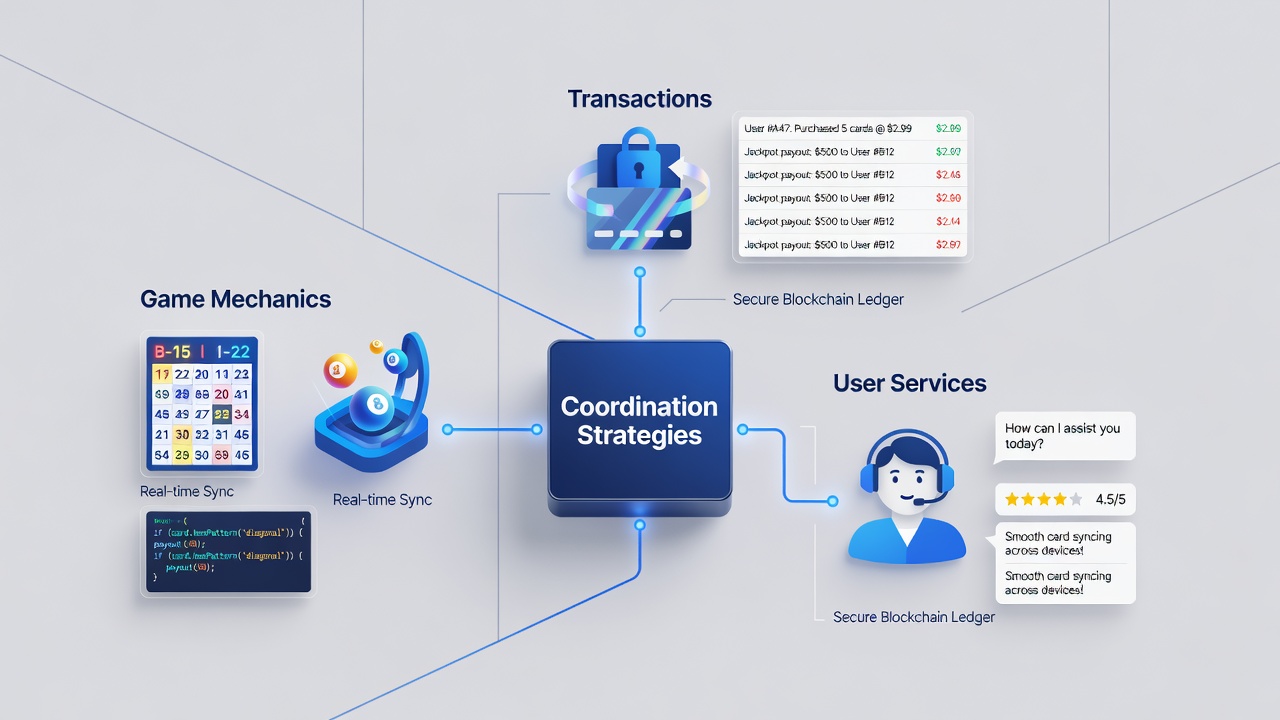
Platforms that map these connections often deploy monitoring tools that alert teams to mismatches between game outcomes and processed payments, and one documented case from a North American provider showed reduced resolution times after implementing shared data protocols. What's notable is how these strategies extend to regulatory reporting, where automated feeds compile mechanics data, transaction summaries, and service metrics into compliant formats required by bodies such as state gaming boards in the United States.
Practical Implementation Across Regions
Implementation varies by region yet follows common patterns, with developers using middleware layers to bridge game engines and payment processors while routing user interactions through service orchestration software. Research from academic papers on digital gaming infrastructure highlights that successful coordination depends on standardized data schemas, allowing different modules to exchange information without custom coding for each integration point. In September 2026 several operators reported deploying updated coordination frameworks ahead of seasonal promotions, which helped manage increased loads from loyalty events tied directly to gameplay milestones.
Those studying platform scalability note that cloud-based architectures facilitate these links by providing elastic resources that scale transaction handling in tandem with user service demands during live bingo sessions. Examples include systems where chat support pulls real-time game statistics to guide players through mechanics questions, while simultaneously confirming transaction status to prevent follow-up calls.
Conclusion
Coordination strategies continue to evolve as bingo platforms incorporate new tools for linking game mechanics, transactions, and user services, with ongoing developments tracked through reports from organizations like the American Gaming Association that document efficiency gains in integrated environments. Observers note sustained focus on these alignments supports operational stability across diverse regulatory landscapes.