How White-Label Frameworks Enable Seamless Integration of Regulatory Tools with Mobile Game Features
Written by Tina Schmitz · Aug 6, 2026
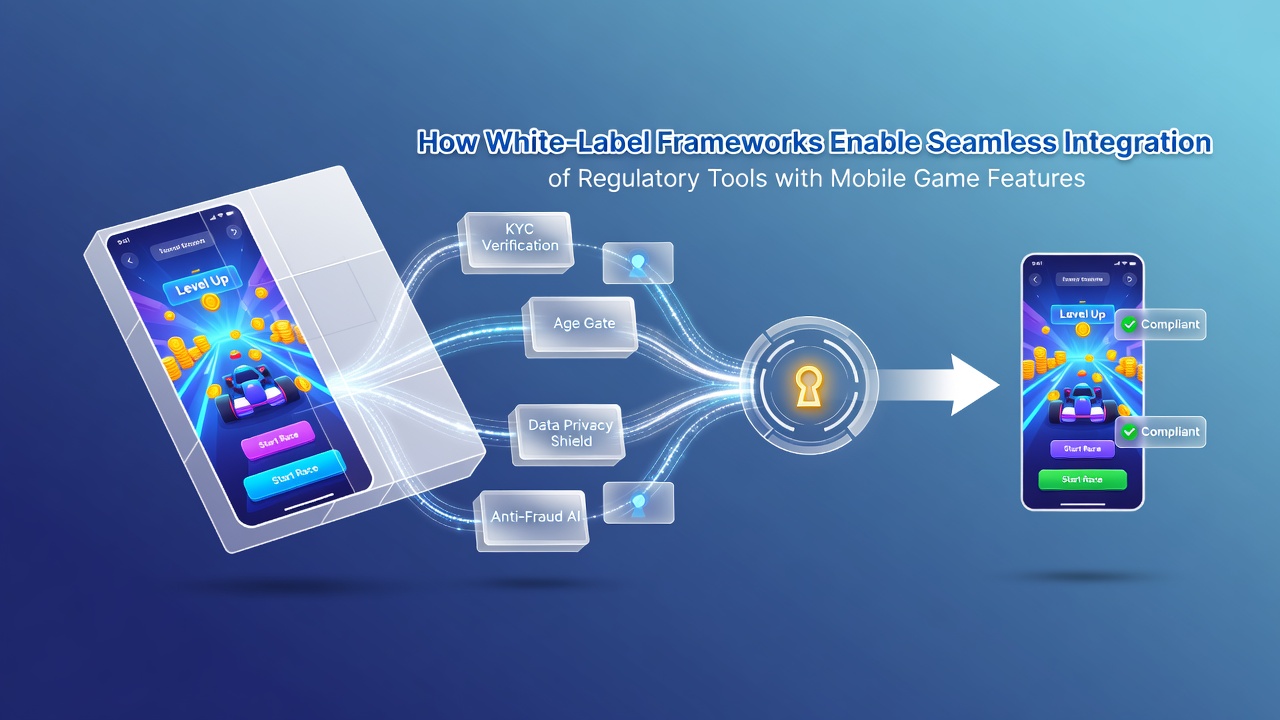
How White-Label Frameworks Enable Seamless Integration of Regulatory Tools with Mobile Game Features
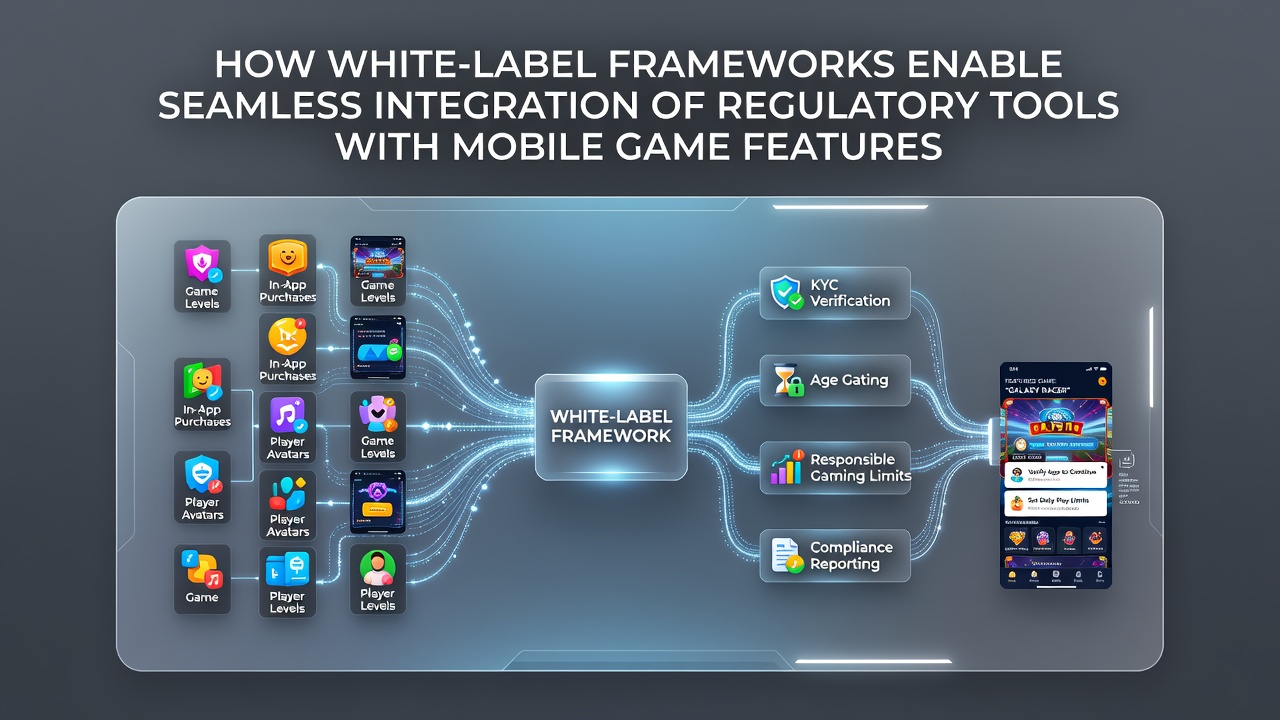
White-label frameworks provide pre-built modular systems that developers customize under their own branding, and these platforms allow direct embedding of regulatory compliance modules into mobile game code without requiring separate builds for each jurisdiction. Developers connect age verification APIs, transaction monitoring services, and responsible gaming controls through standardized interfaces that sync with core game loops such as in-app purchases and player progression tracking. This approach reduces development cycles because the framework handles data encryption, audit logging, and real-time reporting to authorities while the game continues to run uninterrupted on user devices.
Core Components of White-Label Integration
Regulatory tools sit inside the framework as interchangeable components that activate based on user location and game type, and integration occurs through SDKs that plug into existing mobile engines like Unity or Unreal. The framework manages consent flows for data collection, enforces spending limits during gameplay sessions, and routes suspicious activity alerts to external oversight bodies. Because the architecture separates game mechanics from compliance layers, updates to regulations roll out across multiple titles at once without forcing code changes in the main application.
Studies from industry reports show that platforms using white-label solutions cut compliance implementation time by roughly 40 percent compared with custom-coded alternatives, and this efficiency stems from reusable connectors that already meet standards set by bodies such as the Nevada Gaming Control Board and the Malta Gaming Authority. Mobile games that incorporate these tools maintain consistent user experiences while automatically adjusting features like bonus eligibility or withdrawal processing according to local rules.
Technical Pathways for Regulatory Sync
API gateways within the white-label system pull live regulatory data feeds and push anonymized player metrics back to licensed auditors, and this bidirectional flow happens in milliseconds so that features such as real-money betting or loot box mechanics activate only when permitted. Encryption protocols wrap all sensitive exchanges, and session tokens carry jurisdiction flags that trigger the correct set of controls the moment a player logs in from a new region. Observers note that this setup prevents feature conflicts because the regulatory layer operates as a parallel process rather than an overlay that could interfere with graphics rendering or network latency.
In August 2026 several North American operators began testing enhanced white-label modules that added automated self-exclusion lists directly into game lobbies, and these tests demonstrated seamless handoffs between player accounts and state-managed registries without requiring users to leave the app. The same frameworks also support dynamic pricing adjustments for in-game items when tax or levy requirements change, keeping revenue reporting accurate across borders.
Benefits Across Different Game Categories
Action and puzzle titles that add optional real-money elements gain from the same compliance backbone used by casino-style games, and the shared infrastructure means smaller studios access enterprise-grade monitoring without building it themselves. Data from academic reviews of mobile gaming ecosystems indicates that integrated regulatory tools correlate with lower rates of disputed transactions because every purchase passes through standardized verification checkpoints before funds move. Developers therefore allocate more resources to creative content while the framework maintains the audit trails required by Canadian provincial regulators and Australian state commissions.
Case examples include studios that migrated legacy titles onto white-label platforms and reported faster approval times from app stores because the compliance documentation was already pre-formatted and ready for submission. The modular design further allows selective activation of features such as cooling-off periods or deposit caps, which appear only when the player profile matches specific risk criteria stored in the framework's backend.
Scaling and Maintenance Considerations
Once deployed, white-label frameworks receive centralized updates that propagate to all connected games, and this reduces the risk of outdated compliance code lingering in older builds. Maintenance teams monitor performance metrics through unified dashboards that flag any latency introduced by regulatory checks, allowing quick optimization without touching the creative assets. Research from European gaming associations highlights that operators using these systems achieve higher uptime during peak regulatory reporting periods because automated data export functions handle submissions on schedule.
Security layers within the frameworks include regular penetration testing and certification against standards like ISO 27001, and these certifications transfer to each branded game that adopts the platform. As mobile devices evolve, the frameworks adapt through containerized services that support both iOS and Android without requiring separate regulatory integrations for each operating system version.
Conclusion
White-label frameworks continue to serve as the connective tissue between regulatory requirements and mobile game functionality, delivering compliance through reusable modules that keep pace with evolving rules across regions. The documented reductions in development time, combined with consistent audit capabilities, position these platforms as standard infrastructure for any title that incorporates monetized or regulated features. Ongoing refinements in API connectivity and real-time data handling ensure that new regulatory tools integrate without disrupting player engagement or creative direction.