Digital Platforms Driving Online Bingo Growth in 2026
Written by Tina Schmitz · Aug 23, 2026

Digital Platforms Driving Online Bingo Growth in 2026
Online bingo solutions continue to expand through integrated software platforms that handle game mechanics, user management, and backend operations while meeting requirements set by various international regulators; these systems rely on modular code structures that allow providers to update individual components without disrupting live operations, and data from industry reports shows steady adoption rates across North America and Europe as operators seek scalable options for larger player bases.
Core Components in Modern Bingo Software
Providers build these platforms around several key elements including random number generators certified for fairness, real-time chat modules that support community features, and administrative dashboards that track session data; researchers at institutions studying digital gaming have noted how such architectures reduce downtime during peak hours, while operators in multiple jurisdictions report improved uptime metrics when using cloud-based hosting combined with localized servers.
One study released in early 2026 highlighted connections between API integrations and faster payout processing times, showing that platforms incorporating standardized payment protocols achieved average transaction speeds 30 percent quicker than older legacy systems, and this holds particular relevance for operators managing cross-border traffic where currency conversion adds another layer of complexity.
Regulatory Shifts and Compliance Tools
Regulators in regions outside the UK continue to refine rules around online gaming, with the Nevada Gaming Control Board issuing updated guidelines in spring 2026 that emphasize audit trails for bonus distributions, and similar updates from the Australian Communications and Media Authority focus on data localization requirements; online bingo solutions address these through built-in logging functions that capture every player action and financial movement, allowing companies to generate compliance reports automatically rather than compiling them manually each quarter.
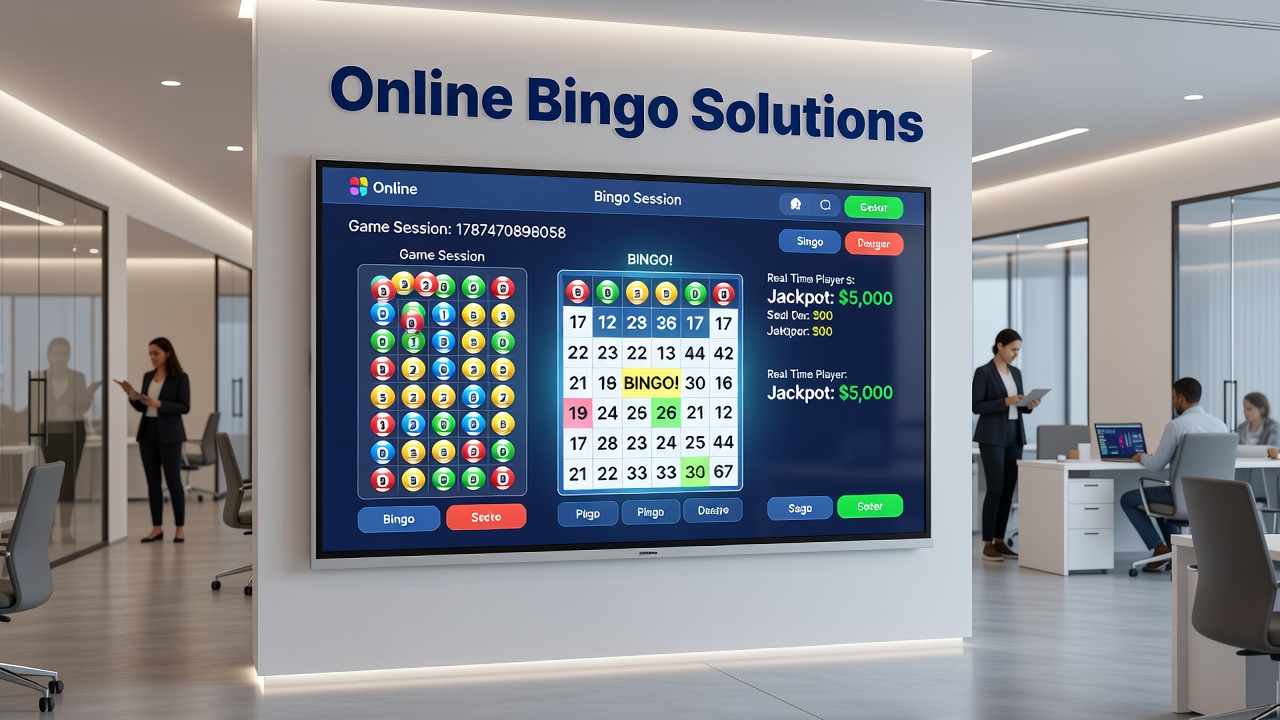
Those who have examined platform documentation note that many solutions now include geo-fencing capabilities that restrict access based on player location, a feature that aligns directly with rules enforced by bodies such as the Malta Gaming Authority; this technical layer operates alongside age verification systems that cross-reference government databases, reducing the manual review workload for support teams during high-volume registration periods.
Analytics and Player Engagement Features
Advanced bingo solutions incorporate analytics engines that process gameplay patterns to adjust difficulty levels or suggest session lengths, yet these adjustments remain within parameters approved by regulators; figures released by the American Gaming Association in mid-2026 indicated rising interest in such tools among mid-sized operators seeking to retain users without increasing marketing spend, and the data showed correlations between session duration tracking and reduced churn rates across tested networks.
Developers integrate these analytics through secure data pipelines that anonymize personal information before analysis begins, satisfying privacy standards in both Canadian and Australian markets, while still providing operators with aggregated insights on popular game variants and peak activity windows.
Expansion Trends Through August 2026
By August 2026 several providers had rolled out enhanced mobile compatibility layers that support both iOS and Android environments with identical feature sets, addressing earlier fragmentation issues reported in operator feedback; this development coincided with increased demand from markets in Asia-Pacific where smartphone penetration rates continue climbing, and platform documentation shows these layers often include offline caching for game results that sync once connectivity returns.
Industry observers tracking these updates point to standardized testing protocols that verify performance across devices, ensuring consistent experiences whether players access games through dedicated apps or browser-based interfaces, and this consistency supports broader network growth without requiring separate codebases for each region.
Conclusion
Online bingo solutions evolve through combinations of certified technology, regulatory alignment, and data-driven tools that together support sustainable platform operations; as August 2026 progresses, providers continue refining these elements to accommodate new market entries while maintaining the security and transparency standards demanded by oversight bodies worldwide.