Aligning Support Protocols with Affiliate Revenue Streams in Application-Driven Gaming Networks
Written by Willa Bauer · Aug 11, 2026
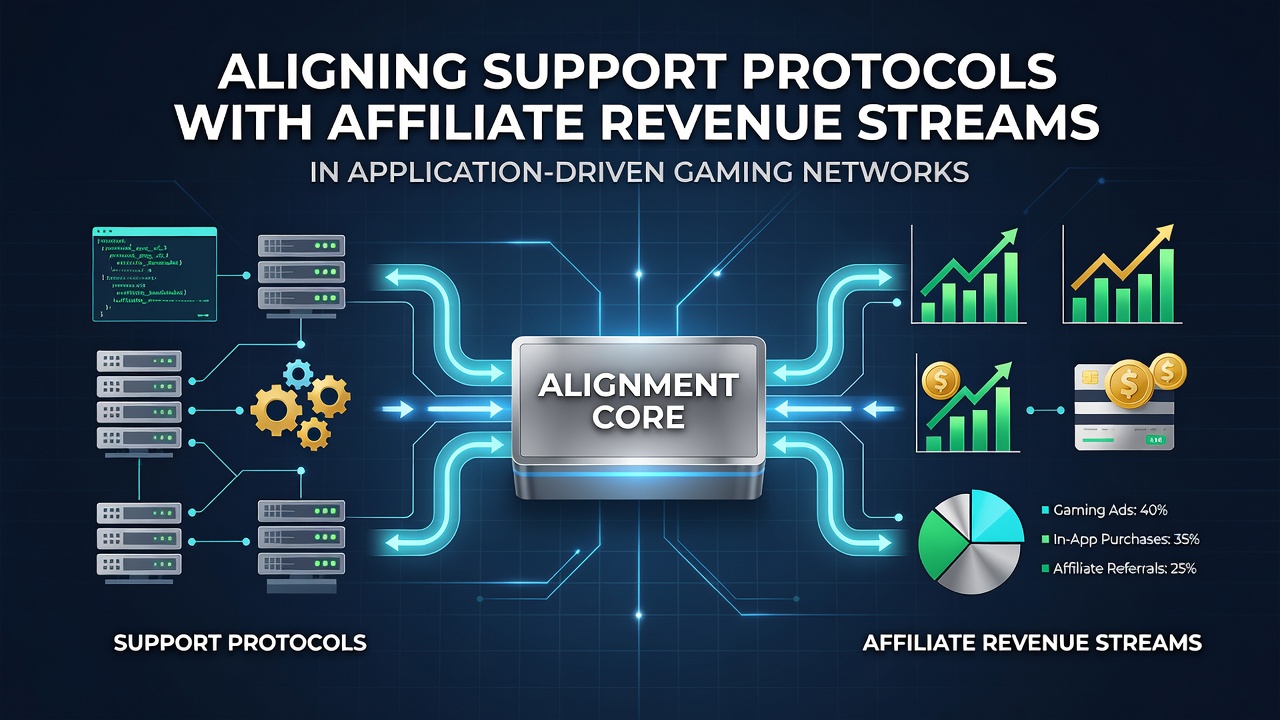
Aligning Support Protocols with Affiliate Revenue Streams in Application-Driven Gaming Networks
Application-driven gaming networks rely on coordinated support protocols and affiliate revenue models to maintain operational flow across mobile platforms. Data from industry reports indicate that these networks process millions of user interactions daily, with support teams handling queries related to account management, in-app purchases, and gameplay issues. Revenue sharing agreements with affiliates often tie directly to user retention metrics, which support protocols influence through response times and resolution rates.
Core Elements of Support Protocols in Gaming Networks
Support protocols in these environments typically include tiered response systems, automated ticketing platforms, and integration with customer relationship management tools. Researchers at academic institutions have documented how these protocols track key performance indicators such as average handling time and first-contact resolution percentages. In application-driven setups, protocols extend to in-app chat functions and push notification systems that alert users to updates or resolutions. Figures from regulatory bodies in Canada show that standardized support frameworks help networks comply with data protection requirements while processing affiliate-related user data.
Affiliate revenue streams operate through performance-based models where partners earn commissions on referred player activity. These models incorporate tracking pixels, unique referral codes, and real-time dashboards that monitor conversions. Observers note that alignment occurs when support teams receive training on affiliate program rules, allowing them to address issues that might otherwise disrupt commission calculations. For instance, disputes over bonus eligibility or account verification can affect revenue attribution if not resolved promptly.
Integration Approaches Observed in 2026
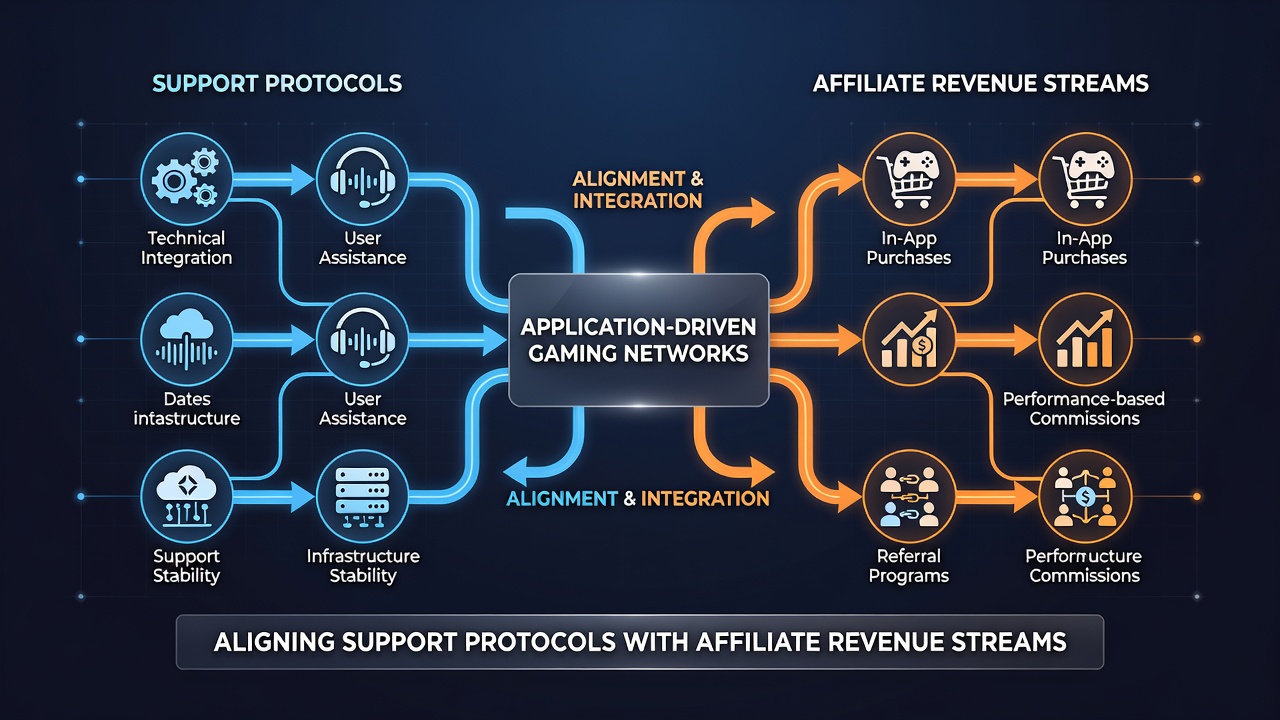
By August 2026 several gaming networks had implemented shared data platforms that link support logs with affiliate management systems. These platforms use application programming interfaces to synchronize information on user status changes, such as account freezes or payment confirmations. Industry organizations report that such synchronization reduces discrepancies in revenue reporting by up to 15 percent in participating networks. Support staff access dashboards displaying affiliate-linked user histories, enabling them to prioritize cases that impact ongoing commission streams.
Training modules for support personnel now cover affiliate agreement terms in multiple regions. Government sources in Australia highlight how these modules emphasize accurate documentation of user interactions to support audit trails. Networks apply segmentation strategies that route affiliate-referred users to specialized support queues, where agents follow protocols designed to preserve revenue integrity. This segmentation draws on data analytics that identify high-value referral patterns and flag potential friction points early.
Data Sharing and Compliance Considerations
Effective alignment requires careful handling of user data across support and affiliate channels. Research papers from European universities detail encryption standards and access controls that protect transaction records while permitting necessary visibility for revenue reconciliation. Regulatory updates in various jurisdictions require networks to maintain logs that demonstrate how support actions correlate with affiliate payouts. These logs help verify that promotional activities remain within approved parameters and that user complaints receive consistent treatment.
Networks employ automated alerts that notify both support and affiliate management teams when user activity triggers revenue-impacting events. Examples include large withdrawal requests or repeated login failures that could signal account issues affecting referred players. According to trade group analyses, these alerts facilitate quicker interventions and maintain trust in the revenue sharing process. Compliance teams review aggregated data monthly to identify trends that might require protocol adjustments without altering individual affiliate terms.
Technical Frameworks Supporting Alignment
Modular architecture choices allow gaming applications to incorporate support and affiliate modules that communicate through standardized event streams. Developers configure these streams to capture actions such as ticket creation, resolution updates, and status changes that influence affiliate reporting. Industry reports note that cloud-based solutions scale these connections across regions while adhering to local data residency rules. Testing protocols verify that updates to one system do not inadvertently alter revenue attribution logic in connected affiliate platforms.
Monitoring tools track latency between support actions and revenue system updates, ensuring that delays remain below thresholds set by network operators. Those who have studied these systems observe that consistent monitoring supports accurate forecasting of affiliate earnings and helps identify bottlenecks in user resolution processes. Networks often schedule maintenance windows during lower traffic periods to minimize disruption to both support operations and ongoing revenue calculations.
Conclusion
Alignment between support protocols and affiliate revenue streams in application-driven gaming networks depends on integrated data systems, targeted training, and compliance-focused documentation. Reports from multiple regulatory and academic sources confirm that these elements work together to sustain accurate revenue distribution and responsive user handling. As networks continue to expand mobile capabilities, the connections between these areas remain central to operational consistency across different markets.